Introduction
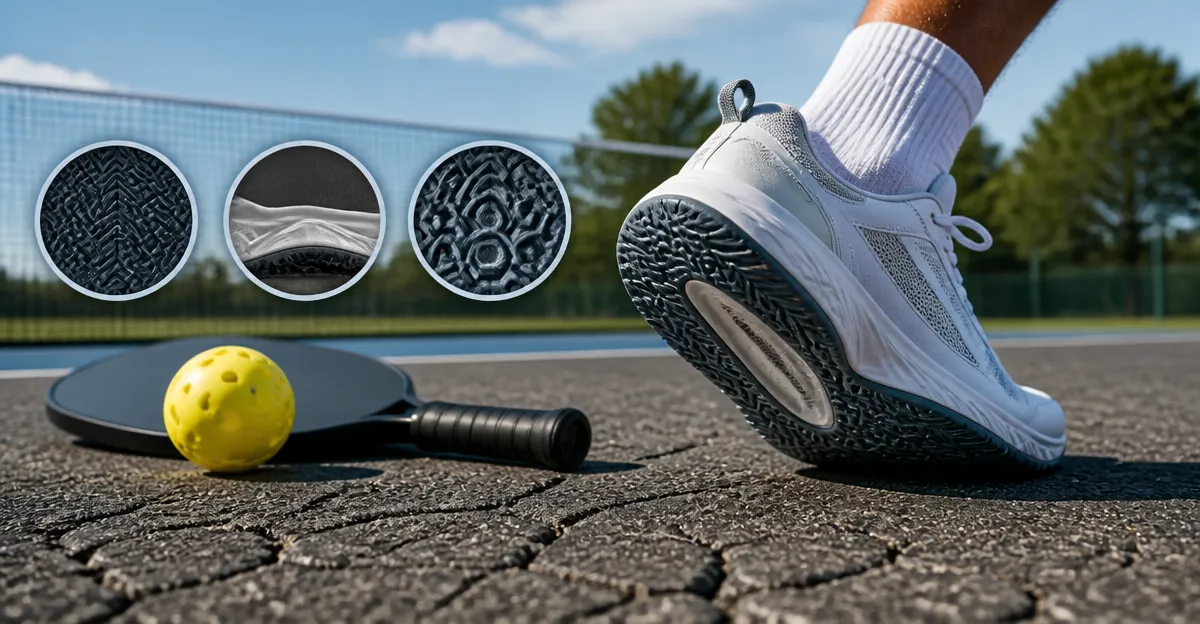
This guide examines the specific challenges that asphalt microcracks pose to pickleball players and explains how the right outsole can preserve performance and comfort. Readers will learn the science behind outsole materials, the most important performance metrics, and how to evaluate products against real‑world demands. The article also highlights four carefully selected shoes that exemplify the principles discussed, allowing readers to make an informed purchase decision.
By the end of the guide, one will understand why certain compounds excel on cracked surfaces, how to balance grip with durability, and which features protect the foot during rapid lateral movements. The information is presented in a structured, authoritative manner suitable for intermediate players who already appreciate basic footwear terminology.
Background and Context
Asphalt courts are popular because they are inexpensive to install and provide a consistent bounce. However, exposure to temperature fluctuations, heavy foot traffic, and moisture creates microcracks that can be as wide as a few millimetres. These fissures reduce traction and increase the risk of ankle twists, especially when a player makes an explosive start or a sudden stop.
Traditional tennis shoes often rely on smooth herringbone patterns that perform well on polished surfaces but can slip into these tiny gaps. Modern pickleball shoes, by contrast, incorporate specialized tread designs and rubber compounds engineered to bite into irregular textures while maintaining flexibility. Understanding these innovations is essential for selecting a shoe that will not wear prematurely on abrasive asphalt.
In addition to surface interaction, the outsole must absorb impact, distribute forces evenly, and resist abrasion caused by fine aggregate embedded in the cracks. When these criteria are met, a player experiences consistent grip, reduced fatigue, and a lower likelihood of shoe failure during a season of play.
Understanding Outsole Materials
Rubber Compounds and Their Properties
Outsoles are typically composed of natural rubber, synthetic blends, or proprietary compounds such as Goodyear Gold or Duralast. Natural rubber offers excellent elasticity, which translates into a responsive feel on uneven terrain. Synthetic blends, often infused with carbon black or silica, increase durability and heat resistance, essential for outdoor courts that experience high temperatures.
Goodyear Gold, featured in the Skechers Viper Court Pro 2.0, is a high‑traction compound that delivers rapid stops and controlled slides. Its formulation resists cracking, making it a logical choice for asphalt with micro‑fractures. Similarly, the Duralast outsole used in the Wilson Rush Pro Ace provides a balance of durability and grip on hard courts.
Tread Geometry and Slip Resistance
The pattern of the outsole determines how the shoe interacts with surface irregularities. Herringbone, chevron, and multidirectional lugs each create channels that evacuate debris and prevent the foot from sinking into cracks. A multidirectional tread, as found on the Skechers Viper Court Smash, offers consistent traction regardless of foot orientation, which is valuable for the quick lateral movements typical in pickleball.
Slip‑resistant designs often incorporate raised edges and micro‑sipes that increase surface contact. When a player pushes off, these features compress slightly, allowing the outsole to conform to the micro‑crack geometry while still providing a firm grip.
Key Outsole Features for Asphalt Microcracks
Grip and Traction
Grip is measured by the coefficient of friction between the outsole and the playing surface. A higher coefficient reduces the likelihood of sliding into a crack. Shoes that combine a soft rubber compound with aggressive lugs typically achieve the best results. The Skechers Viper Court Reload utilizes a slip‑resistant rubber that maintains adhesion even after repeated exposure to abrasive particles.
When testing grip, athletes often perform a “stop‑and‑go” drill on a cracked asphalt strip. Shoes that halt within two steps without wobbling are considered high‑performing for this surface.
Durability and Abrasion Resistance
Durability is quantified by the number of miles a shoe can endure before the outsole shows visible wear. Compounds fortified with carbon black, such as the Goodyear Gold used in the Skechers Viper Court Pro 2.0, resist abrasion from the gritty aggregate that populates asphalt cracks.
Players who compete frequently on outdoor courts should prioritize shoes with reinforced toe caps and heel counters. The Wilson Rush Pro Ace includes a 4D Support Chassis that protects the heel from torsional stress while adding structural integrity.
Cushioning and Shock Absorption
Impact forces on cracked surfaces can be unpredictable because the foot may drop into a fissure, increasing stress on the ankle. Midsole technologies such as Ultra‑Go Foam (found in the Skechers Viper Court Pro 2.0) and RDST+EVA (used in the Wilson Rush Pro Ace) provide responsive cushioning that mitigates these spikes.
Effective cushioning also aids in maintaining a consistent foot strike, which reduces fatigue during long matches on uneven asphalt.
Comparison and Selection Guide
The following table summarizes the most relevant outsole attributes for each featured shoe. Use the criteria to match your playing style, court conditions, and budget.
| Feature | Skechers Viper Court Pro 2.0 | Wilson Rush Pro Ace | Skechers Viper Court Smash | Skechers Viper Court Reload |
|---|---|---|---|---|
| Outsole Compound | Goodyear Gold | Duralast (hard‑court) | Full‑length rubber with micro‑sipes | Slip‑resistant rubber blend |
| Tread Design | Aggressive multi‑directional lugs | Herringbone with reinforced edges | Multidirectional pattern for all‑court use | Raised edges with micro‑sipes |
| Cushioning | Ultra‑Go Foam + Arch Fit EVA insole | RDST+EVA + 4D Support Chassis | ULTRA FLIGHT lightweight cushioning | Relaxed fit with soft collar for comfort |
| Price (USD) | $103.50 | $73.00 | $52.12 | $75.68 |
| Rating (5‑star) | 4.4 (357 reviews) | 4.4 (734 reviews) | 4.4 (690 reviews) | 4.5 (810 reviews) |
| Availability | Temporarily out of stock | In Stock | In Stock | In Stock |
Players seeking maximum grip on heavily cracked asphalt should prioritize the Skechers Viper Court Pro 2.0 because of its Goodyear Gold compound and aggressive tread. Those on a tighter budget but still requiring durability may find the Skechers Viper Court Smash a compelling option. The Wilson Rush Pro Ace offers a balanced mix of stability and cushioning for players who also enjoy tennis. Finally, the Skechers Viper Court Reload excels for athletes who value slip‑resistance and a hands‑free slip‑in design.
Best Practices & Tips
- Inspect the court before play; identify the depth and frequency of microcracks to select an outsole with appropriate bite.
- Rotate shoes every 3‑4 weeks to allow the outsole to recover from localized wear.
- Clean the outsole after each session using a soft brush; debris lodged in tread can reduce traction on cracked surfaces.
- Consider adding a thin, breathable sock with anti‑slip zones to augment grip without compromising comfort.
- When a shoe’s outsole shows visible cracking or loss of pattern definition, replace it promptly to avoid ankle injuries.
Frequently Asked Questions
1. Does a softer rubber compound always provide better grip on cracked asphalt?
Not necessarily. While softer compounds can conform to irregularities, they may wear faster. A balanced compound like Goodyear Gold offers both grip and longevity.
2. How often should I replace my pickleball shoes if I play exclusively on outdoor asphalt?
Most experts recommend replacement after 300‑400 miles of play or when tread depth falls below 2 mm, whichever occurs first.
3. Are slip‑on shoes suitable for high‑intensity pickleball matches?
Slip‑ons such as the Skechers Viper Court Reload can be effective if they incorporate a secure heel lock and a grippy outsole. However, players who prioritize rapid directional changes may still prefer traditional lace‑ups.
4. Can I use tennis shoe outsoles on pickleball courts?
Yes, but tennis shoes are optimized for smooth hard courts and may lack the multidirectional tread needed for the rapid side‑to‑side motion of pickleball, especially on cracked surfaces.
5. Does a wider toe box help prevent injuries on uneven surfaces?
A wider toe box, as found on the Wilson Rush Pro Ace, allows the foot to spread naturally, reducing pressure points and improving stability when the foot lands in a microcrack.
Conclusion
The outsole is the most critical interface between a pickleball shoe and a cracked asphalt court. Selecting a shoe with an appropriate rubber compound, aggressive multidirectional tread, and robust cushioning will enhance grip, extend shoe life, and protect the athlete from injury. The four products highlighted in this guide illustrate how different design philosophies address the same core challenge. By applying the comparison criteria and best‑practice tips provided, players can confidently choose the outsole that best matches their playing environment and budget.
Products Featured in This Guide
Skechers Viper Court Pro 2.0
Price: $103.50 | Rating: 4.4/5 (357 reviews) | Availability: Temporarily out of stock
Featured for its Goodyear Gold outsole and Ultra‑Go Foam midsole, providing superior grip and durability on asphalt microcracks.
Wilson Rush Pro Ace
Price: $73.00 | Rating: 4.4/5 (734 reviews) | Availability: In Stock
Highlighted for its 4D Support Chassis and Duralast outsole, offering stability and a wider toe box suitable for cracked surfaces.
Skechers Viper Court Smash
Price: $52.12 | Rating: 4.4/5 (690 reviews) | Availability: In Stock
Chosen for its lightweight ULTRA FLIGHT cushioning and full‑length rubber with micro‑sipes, delivering reliable traction on uneven asphalt.
Skechers Viper Court Reload
Price: $75.68 | Rating: 4.5/5 (810 reviews) | Availability: In Stock
Featured for its slip‑resistant rubber blend and hands‑free slip‑in design, ideal for players who value convenience without sacrificing grip.