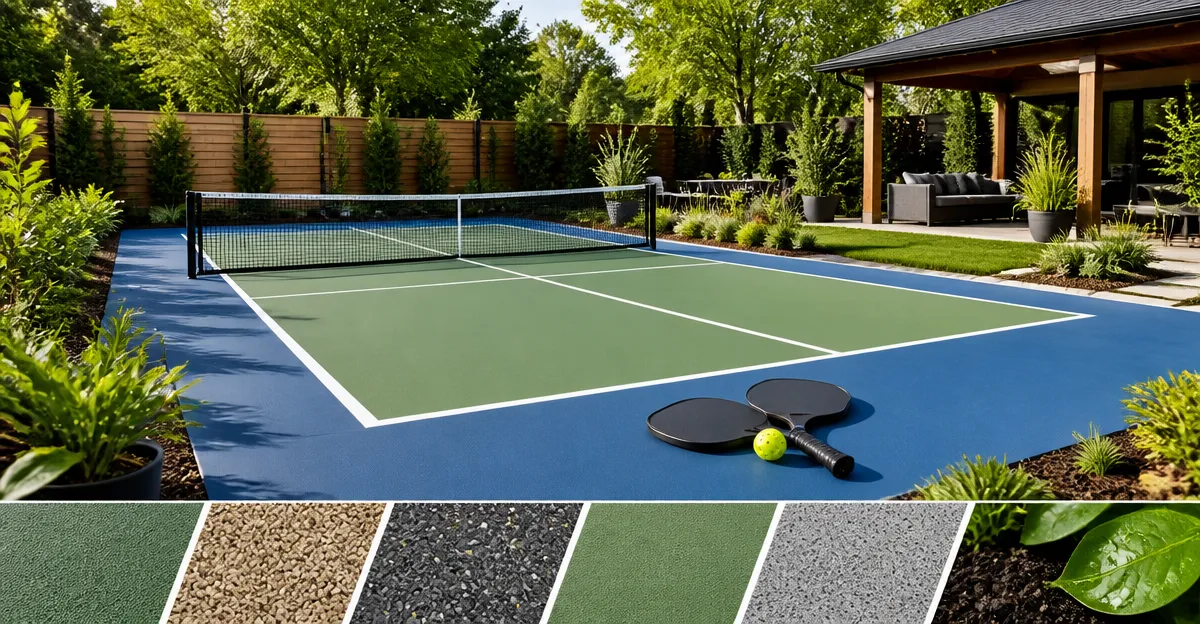
Complete Guide to Eco-Friendly Backyard Pickleball Court Surfacing Options: Sustainable, Affordable & Durable Choices
Introduction
Backyard pickleball courts have become a popular addition to residential properties, offering a convenient venue for fitness and social interaction. This guide explains the range of eco‑friendly surfacing materials that combine sustainability, cost‑effectiveness, and long‑term durability. Readers will learn how each option performs under different climate conditions, how to evaluate installation requirements, and which products can support a greener playing experience. By the end of the article, one will be equipped to select and maintain a surface that aligns with both environmental values and performance goals.
Background/Context
Traditional court surfaces often rely on petroleum‑based acrylics or concrete, which have high embodied energy and limited recyclability. In contrast, eco‑friendly alternatives use recycled aggregates, bio‑based binders, or reclaimed wood, reducing carbon footprints while preserving playability. Understanding the basic components of a pickleball surface—sub‑base, base layer, and top coating—helps to assess how each material contributes to durability and safety. Moreover, local regulations and homeowner association guidelines may influence material choice, making informed research essential before any purchase.
Eco‑Friendly Surfacing Categories
Recycled Rubber Granules
Recycled rubber granules are derived from post‑consumer tires and provide excellent shock absorption, which reduces joint stress during rapid movements. The granules are mixed with a low‑VOC (volatile organic compound) binder to create a resilient top layer that mimics the feel of traditional acrylic courts. Typical installation involves a compacted sand sub‑base, a geopolymer base, and a rubber‑granule top coat applied in two thin layers. This system offers a lifespan of 8‑10 years with minimal maintenance, and it can be reclaimed for future projects, reinforcing circular economy principles.
Reclaimed Wood Decking
Reclaimed wood decking repurposes salvaged lumber from demolition sites, barns, or shipping pallets, providing a warm aesthetic and natural slip resistance. When installed over a properly graded and compacted crushed stone base, the wood planks create a stable, slightly flexible playing surface that is comfortable for the knees. To meet durability standards, the wood should be treated with a water‑based, non‑toxic sealant that protects against moisture while preserving breathability. Although the initial cost is modest, periodic resealing every 3‑4 years extends the surface’s usable life.
Bio‑Based Polyurethane Coatings
Bio‑based polyurethane coatings are formulated from plant‑derived polyols, replacing a portion of petroleum content with renewable resources such as soy or castor oil. These coatings deliver a smooth, low‑friction finish that is comparable to conventional acrylics, yet they emit significantly fewer harmful chemicals during application. The coating is applied in a thin, uniform film over a stabilized sand‑cement base, creating a surface that resists cracking and UV degradation. With proper care, bio‑based systems can last up to 12 years, offering a compelling blend of performance and sustainability.
Recycled Plastic Tiles
Interlocking recycled plastic tiles are manufactured from post‑consumer plastic bottles and HDPE waste, forming a modular surface that can be assembled without adhesives. The tiles feature a textured tread pattern that enhances grip and can be replaced individually if damaged, reducing waste. Installation requires a compacted crushed stone sub‑base and a level sand bedding to ensure even support. Because the material is resistant to moisture, chemicals, and temperature fluctuations, the tile system can endure harsh climates for more than a decade.
Product Recommendations Integrated with Surfacing Choices
While surfacing materials form the physical foundation of a pickleball court, players also benefit from educational resources that improve technique and strategy. For beginners seeking a comprehensive introduction to the sport, Beginner's Pickleball Guide offers clear explanations of rules, scoring, and basic tactics. Priced at $0.99 and rated 4.8 out of 5 stars by sixteen reviewers, this Kindle edition provides an affordable entry point for new enthusiasts.
Advanced novices who wish to deepen their strategic understanding may find Pickleball Fundamentals Guide valuable. At $2.99 with a perfect 5‑star rating from four reviewers, the book emphasizes shot selection, positioning, and mental preparation, complementing the physical benefits of a well‑chosen surface.
Comparison/Selection Guide
| Material | Environmental Impact | Cost (per sq ft) | Durability | Maintenance | Best For |
|---|---|---|---|---|---|
| Recycled Rubber Granules | High – uses post‑consumer tires | $2‑$3 | 8‑10 years | Reseal every 3 years | High‑impact play, families with children |
| Reclaimed Wood Decking | Medium – salvaged lumber | $1.50‑$2.50 | 6‑8 years | Seal annually in humid climates | Aesthetic‑focused backyards, casual players |
| Bio‑Based Polyurethane | Medium – plant‑derived binders | $3‑$4 | 10‑12 years | Inspect for cracks yearly | Competitive play, performance‑oriented users |
| Recycled Plastic Tiles | High – upcycled plastics | $2‑$3.50 | 12‑15 years | Replace damaged tiles only | Variable terrain, DIY installers |
When selecting a surface, one should weigh environmental credentials against budget constraints and expected usage intensity. For households prioritizing low impact and shock absorption, recycled rubber granules present a balanced choice. In contrast, homeowners desiring a visually striking surface with modular repairability may prefer recycled plastic tiles. The table above serves as a quick reference to align personal values with practical considerations.
Best Practices & Tips
- Perform a soil test before installation to determine drainage needs; proper drainage prevents water pooling that can degrade any surface.
- Use a geotextile membrane beneath the sub‑base to separate soil from aggregate, enhancing stability and reducing weed intrusion.
- Apply a moisture‑barrier sealant when using reclaimed wood to mitigate rot, especially in regions with high humidity.
- Schedule annual inspections for cracks, seams, or uneven wear; early detection prolongs surface life and maintains safe playing conditions.
- Combine surface choice with appropriate footwear; eco‑friendly surfaces often have different traction characteristics than traditional acrylic courts.
Frequently Asked Questions
- What is the most sustainable surface for a small backyard? Recycled rubber granules and reclaimed wood decking both score high on sustainability, but rubber granules provide superior shock absorption for limited spaces.
- Can I install a recycled‑plastic tile system myself? Yes; the interlocking design allows DIY installation, though a level sub‑base and proper compaction are essential for long‑term performance.
- How often should I reseal a bio‑based polyurethane coating? Resealing is generally recommended every 5‑7 years, depending on exposure to sunlight and foot traffic.
- Do eco‑friendly surfaces affect ball bounce? Most eco‑friendly options are engineered to meet the International Federation of Pickleball’s bounce standards, ensuring consistent play.
- Is reclaimed wood safe for outdoor use? When treated with a non‑toxic, water‑based sealant, reclaimed wood is safe and resistant to splinters, making it suitable for outdoor courts.
- What maintenance tools are required? A basic set includes a leaf blower, a pressure washer (low pressure), and a sealant applicator brush or roller for periodic resealing.
- Can I combine two eco‑friendly materials? Yes; a common hybrid is a recycled rubber top layer over a reclaimed‑wood sub‑base, offering both comfort and aesthetic appeal.
Conclusion
Choosing an eco‑friendly surface for a backyard pickleball court requires a holistic view of environmental impact, cost, durability, and user experience. By understanding the characteristics of recycled rubber, reclaimed wood, bio‑based polyurethane, and recycled plastic tiles, one can make an informed decision that aligns with personal values and performance expectations. Complementary educational resources such as Beginner's Pickleball Guide and Pickleball Fundamentals Guide ensure that the newly installed court is used to its fullest potential. With proper installation, regular maintenance, and strategic material selection, homeowners can enjoy a sustainable, affordable, and durable playing space for years to come.
Products Featured in This Guide
Beginner's Pickleball Guide
Price: $0.99
Rating: 4.8/5 (16 reviews)
Featured because it provides essential rule explanations and skill‑building exercises for new players, complementing the safe and comfortable surfaces discussed in this guide.
Pickleball Fundamentals Guide
Price: $2.99
Rating: 5/5 (4 reviews)
Featured for its in‑depth strategic content, helping players maximize the benefits of high‑quality, eco‑friendly court surfaces.